 Research
The Takahata Lab strives to develop micro/nano-engineered devices and their
manufacturing methods towards realizing innovative products and technologies
to shape a better world. The following lists the themes of our current
research focus and selected research topics in each.
 Micro/Nanofabrication Processes
 3D Micromachining using Miniaturized Electrical Discharge
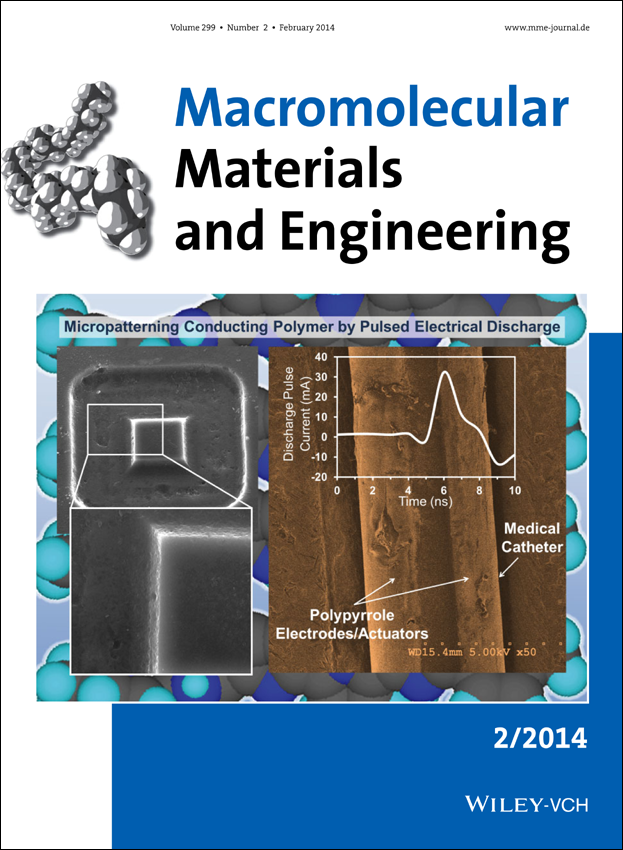
Microplasma-Based Patterning of Conducting Polymers

Direct Writing of Thin Film by Scanning-Mode Micro Glow Plasma

Capacitive Sensor Formation via Integrated Micro Tesla Valves
Surface Micromachining with Liquid Sacrificial Layers
MEMS-Based Micro-Electro-Discharge Machining (M3EDM)
Micromachined Actuators
Precessing-Coin-Like Rotary Actuators/Optical Scanners
Micro Actuators Enabled by Ferrofluid Levitated Rotors/Sliders
Shape-Memory Alloy Actuation via Direct RF Power Transfer

RF Actuation of Hydrogel Valves for Controlled Drug Delivery
Synchronous Wireless Control of Micro Actuator Array
Diamagnetic MEMS: Micro Graphite Rotors
Micromachined Sensors
Switch-Mode Capacitive Pressure Sensors
Micromachined Inductive Force Sensors
Implantable Pressure Sensors Based on Stainless Steel
Wireless Resonant Temperature Sensors
Biocompatible MEMS Circuit Breaker Chips
Flex-Circuit Wireless Sensors Based on Responsive Hydrogels
Medical MEMS


Distal Scanner Integrated Endoscopes for Multimodal 360° Imaging

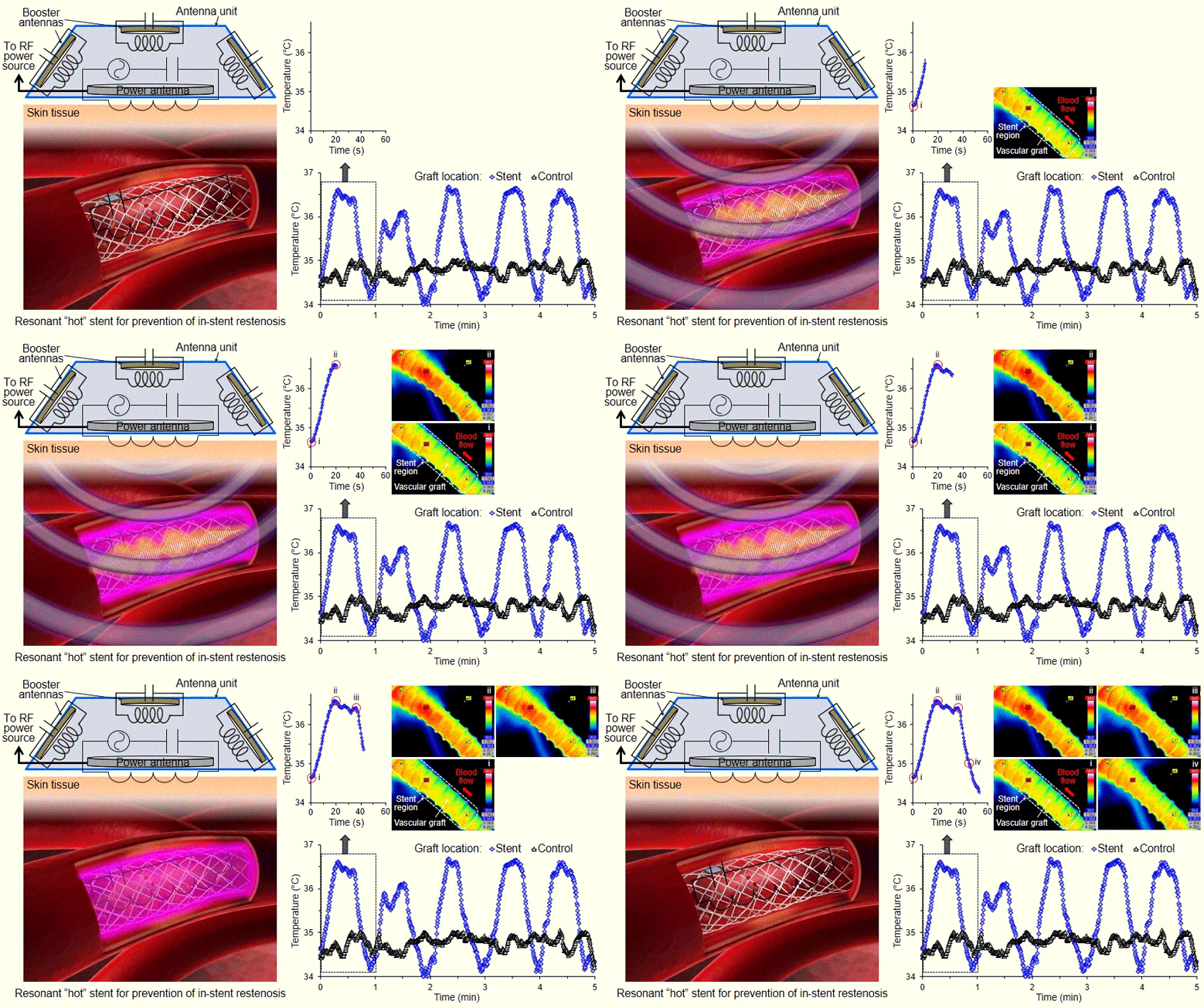
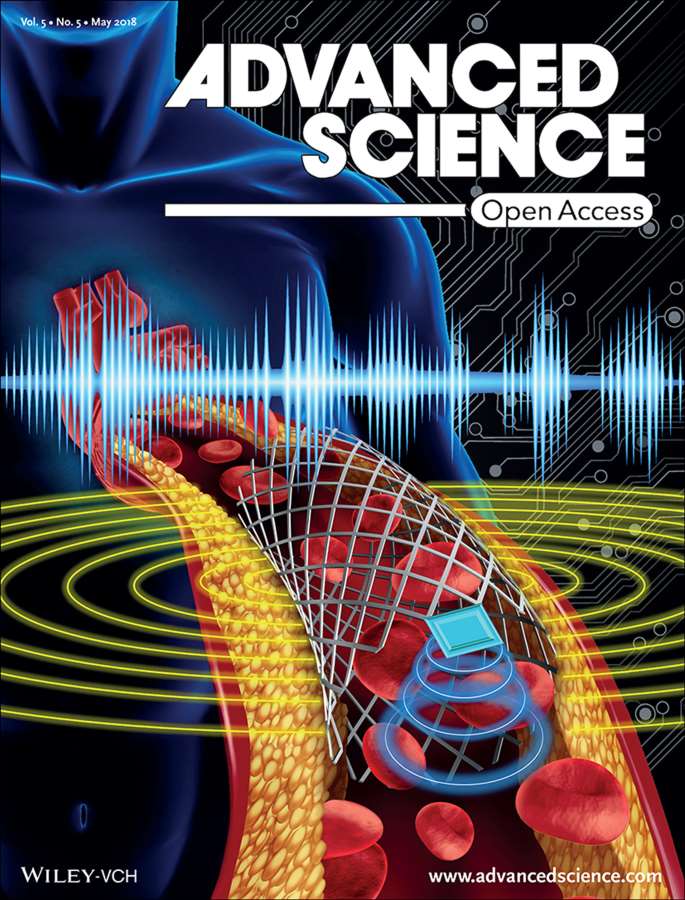
Smart Stents for Advanced Remote Diagnosis and Therapy
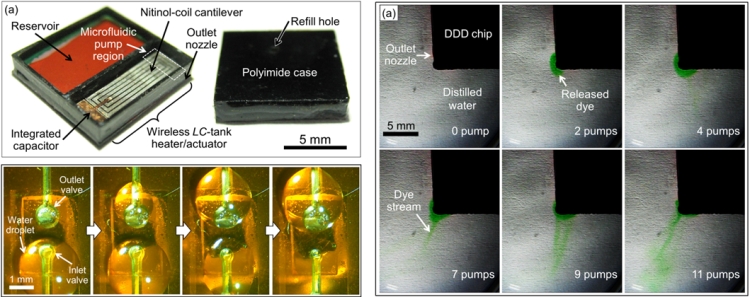
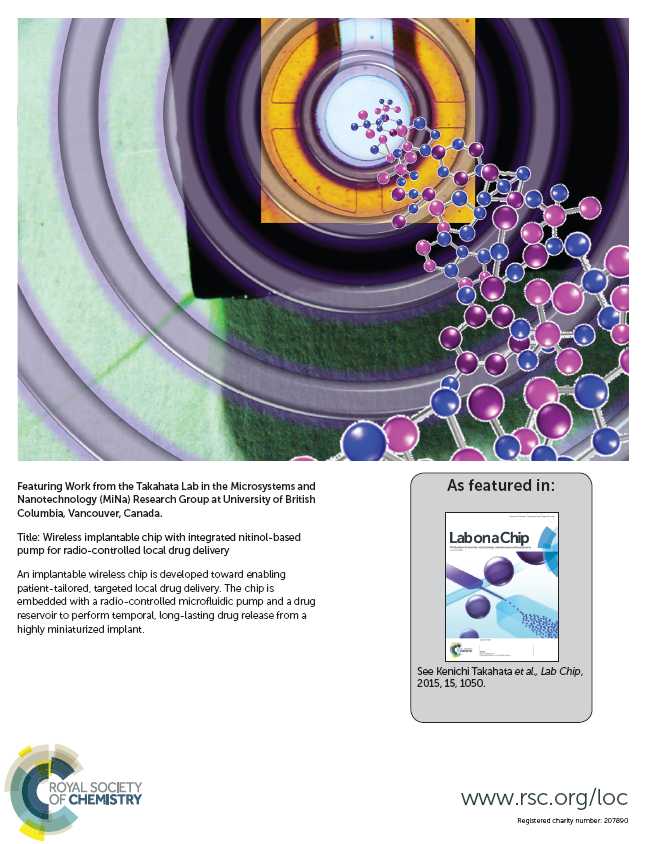
Implantable Wireless Drug Delivery Chips
Tissue Stiffness Sensors
Smart Steerable Catheters
Aneurysm Coil Embolization Sensors
Vertically Aligned Carbon Nanotubes (CNT Forest): Process and Application
(collaboration with Nojeh Lab, UBC)
3D Micro/Nanopatterning and Batch-Mode Processing using Microplasma
Post-Growth Planarization of CNT Forests
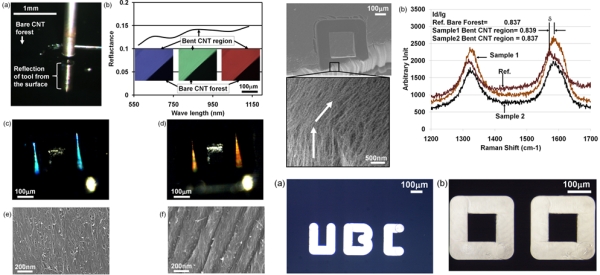
Transforming Darkest Material on Earth to Reflective Mirrors
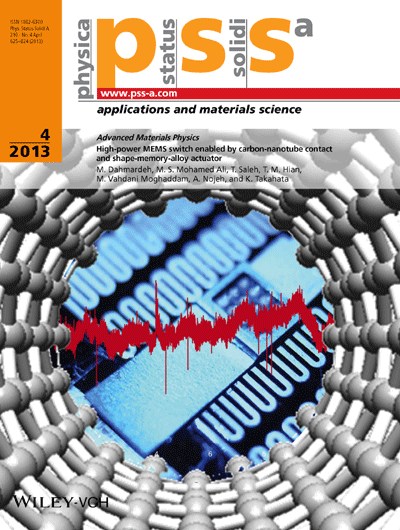
High-Power MEMS Contact Switches
Cone-Shaped Scanning Probes for Atomic Force Microscopy
Piezoresistive Pressure and Strain Sensors


Research